Fantasy Art Examples That Redefined the Genre Through History
Fantasy art has evolved from mythological manuscript illustrations to a globally recognized genre that blends imagination with technical skill. By examining key works across different eras, analysts can trace how visual storytelling in fantasy has shifted in response to cultural changes, technological advances, and audience expectations.
Recent Trends in Fantasy Art
In the past decade, fantasy art has experienced a surge in hybrid styles that merge traditional painting with digital tools. Artists increasingly draw from non-Western mythologies, ecological themes, and speculative futures. Notable examples include:
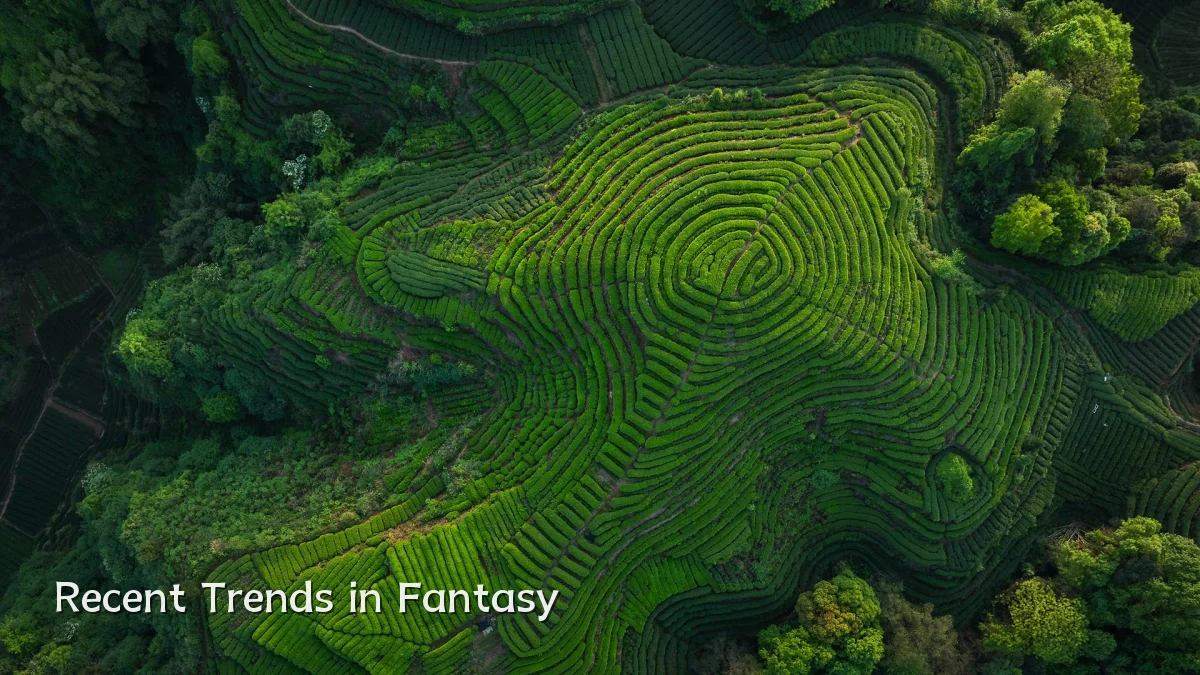
- Digital matte paintings used in concept art for films and games, emphasizing hyperrealistic textures and surreal lighting.
- AI-assisted imagery that prompts debate about authorship and creativity, yet has produced novel visual vocabularies.
- Graphic novel series that treat fantasy as a vehicle for social commentary, such as works exploring identity and power.
Art fairs and online platforms have also elevated fantasy art from niche hobbyist spaces to gallery walls, with collectors seeking limited-edition prints and original pieces.
Background: Historical Shifts
Fantasy art’s lineage includes several watershed moments. The following list outlines movements and works that permanently changed the genre:
- Pre-Raphaelite painting (mid-19th century) – artists like John William Waterhouse infused Arthurian legend with romantic realism, setting a standard for narrative depth.
- Pulp magazine covers (1920s–1940s) – Frank Frazetta revolutionized heroic fantasy with dynamic anatomy and dramatic lighting, influencing generations.
- High fantasy illustration (1970s–1990s) – the work of Alan Lee and John Howe on Tolkien-related projects defined an epic, atmospheric style that became synonymous with the genre.
- Underground comix and surrealism – artists such as Moebius (Jean Giraud) pushed boundaries with psychedelic landscapes and nonlinear composition.
Each era redefined what fantasy art could depict—moving from idealized mythology to gritty adventure and finally to introspective world-building.
Key User Concerns
Collectors, aspiring artists, and casual audiences share several recurring questions about fantasy art today:
- Authenticity vs. reproduction: How to distinguish original handcrafted works from mass-produced digital output.
- Representation: Demand for diverse characters and settings beyond Eurocentric fantasy tropes.
- Commercial influence: The tension between art made for licensing (games, movies) and personal, exhibition-driven work.
- AI and copyright: Uncertainty about the legal and ethical status of machine-generated fantasy imagery.
Many users now look for transparent processes, artist statements, and community feedback before forming opinions on new works.
Likely Impact on Artists and Collectors
The ongoing evolution of fantasy art will have several practical consequences:
- Broader definitions of the genre: Works that combine fantasy with science fiction, horror, or magical realism will gain more critical recognition.
- New revenue models: Direct-to-consumer platforms, NFTs (in periods of market stability), and print-on-demand services shift how artists earn income.
- Educational curriculum changes: Art schools increasingly include digital painting and world-building alongside traditional oil and watercolor techniques.
- Curatorial acceptance: Major museums may host retrospective exhibitions of fantasy artists previously excluded from fine art circles.
Collectors may need to adapt appraisal methods to account for digital-only works and collaborative pieces.
What to Watch Next
Looking ahead, several developments are likely to shape the next wave of genre-defining fantasy art:
- Cross-cultural fantasy: Artists incorporating motifs from African, East Asian, and Indigenous traditions into non-Western fantasy worlds.
- Immersive and interactive art: Virtual reality environments where viewers can “walk through” a painting or animated scene.
- Eco-fantasy and solarpunk: Optimistic visions of human-nature coexistence, often in contrast to dystopian trends.
- Hybrid mediums: Embroidery, sculpture, and light installation that extend fantasy narratives beyond the flat surface.
As boundaries between genres continue to dissolve, fantasy art will likely remain a laboratory for visual innovation, driven by both tradition and the urge to imagine the impossible.