Mastering Atmosphere: Advanced Lighting Techniques in Fantasy Art for Professionals
Recent Trends in Lighting Workflows
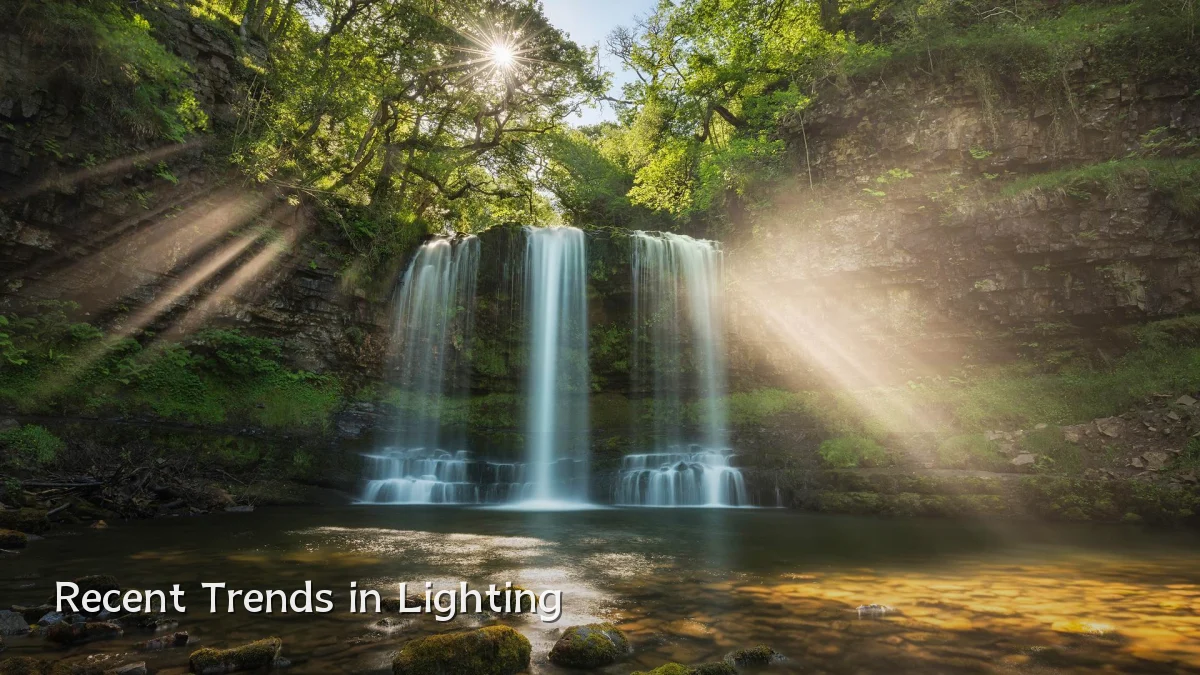
Professional fantasy artists are increasingly adopting advanced lighting methods that go beyond basic three-point setups. Volumetric rendering has become a standard in many studios, allowing artists to simulate light scattering through fog, smoke, or magical auras with greater precision. Alongside this, dynamic global illumination—once reserved for real-time engines—is now being used in pre-rendered concept and illustration workflows.
- AI-assisted lighting tools that suggest rim or fill light placements based on scene mood.
- Color scripting techniques that tie lighting hue shifts directly to emotional beats in a composition.
- Hybrid pipelines that combine traditional painted bounce light with 3D scene relighting for consistency.
Background: Why Atmosphere Defines Professional Fantasy Art
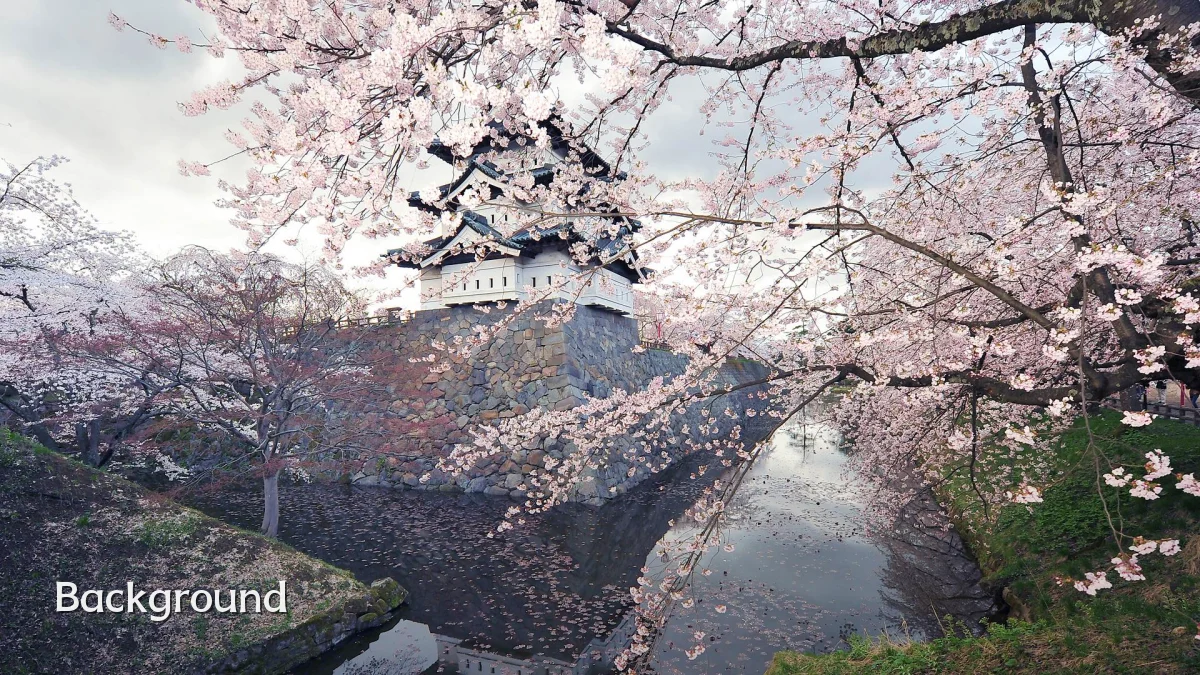
The shift from flat, evenly lit fantasy illustrations to atmosphere-driven work reflects a broader industry move toward cinematic storytelling. In the early 2000s, most fantasy art relied on strong directional sunlight or ambient studio light. Today, professionals use lighting to dictate narrative: a single warm shaft of light can indicate safety, while cool, scattered shadows signal danger or mystery.
Technically, this evolution was made possible by advances in digital painting software and GPU acceleration. Artists can now iterate on lighting conditions—changing the time of day, weather, or magical glow—in minutes rather than hours. This has raised the baseline expectation for atmospheric depth in commercial fantasy art.
User Concerns: Balancing Technique with Narrative
Professionals often face the challenge of applying advanced lighting without overwhelming the composition. A common concern is overexposure to technique—using too many light sources or effects at the expense of readability. Others worry about consistency across a series or set of illustrations, especially when working with a shared visual universe.
- Software fragmentation: Some lighting features are available only in specific tools, forcing artists to learn multiple packages.
- Client alignment: Conveying lighting intent in early sketches can be difficult; clients may prefer safer, conventional lighting.
- Performance trade-offs: Heavy volumetric passes or ray tracing can slow down iterative workflows on consumer-grade hardware.
Likely Impact on Portfolio and Client Work
Artists who master advanced lighting see improvements in both client project turnaround and portfolio appeal. Atmosphere-driven pieces tend to stand out in competitive fields like book cover illustration, concept art for AAA games, and collectible card art. However, the learning curve remains steep.
- Increased marketability for roles that require quick environment mood studies.
- Reduced need for post-processing overlays, as lighting is handled in the core render.
- Greater demand for artists who can light a scene for multiple emotional interpretations (e.g., the same character under dawn, dusk, and magical night).
What to Watch Next
Several developments are likely to affect how professionals approach lighting in the next few years. Real-time ray tracing is becoming viable for high-end concept art, not just final renders. Spectral lighting—simulating how different colors of light interact with surfaces based on material properties—may soon be a common step in illustration pipelines.
Cross-discipline techniques borrowed from film cinematography, such as motivated lighting and practical light sources, are being formally taught in digital art courses. Professionals should also watch for AI tools that assist with the initial lighting block-in, allowing more time for refinement and atmospheric storytelling.