The Evolution of Fantasy Art: A Critical Review of Modern and Classic Works
Recent Trends in Fantasy Art
Over the past several years, the fantasy art landscape has shifted noticeably toward digital-first creation and distribution. Artists now routinely release works on platforms that prioritize algorithmic discovery, which has altered both subject matter and stylistic conventions. Common observations among critics include:
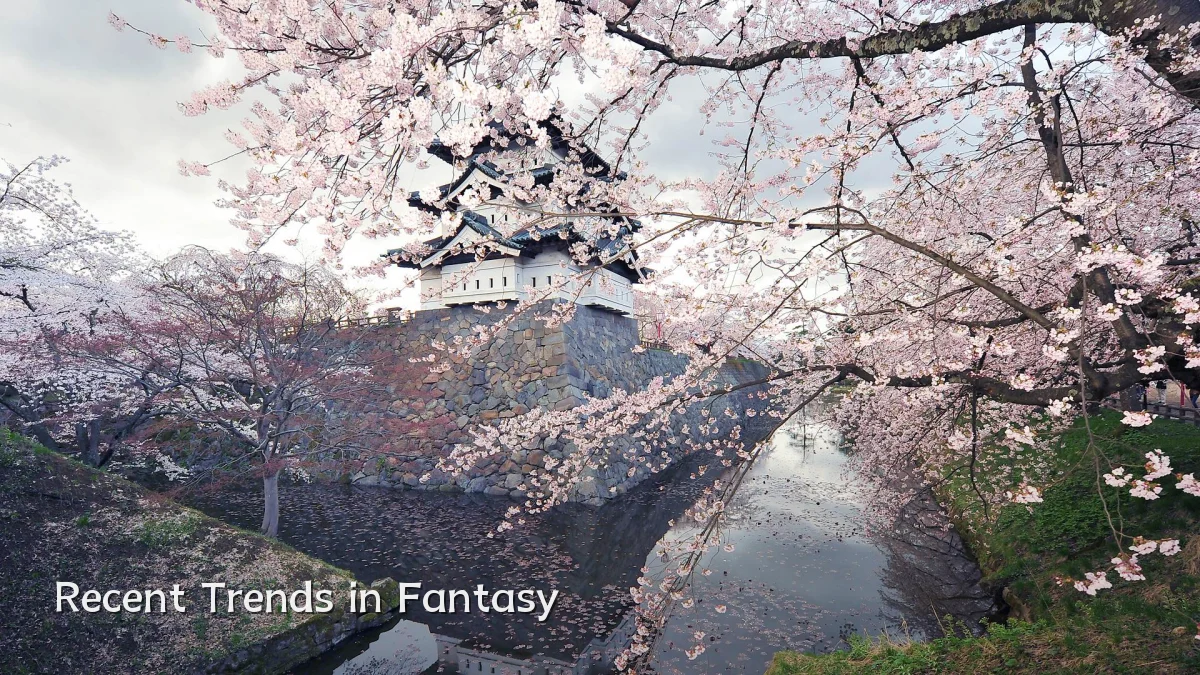
- Hybrid techniques: Many contemporary pieces blend traditional ink or watercolor textures with digital finishing, creating a layered look that references classic illustration while using modern tools.
- Narrative-driven series: Instead of standalone prints, artists increasingly produce sequential works designed for social-media carousels or webcomic formats.
- Genre cross-pollination: Science-fiction and horror elements appear more frequently in high-fantasy settings, reflecting audience appetite for genre-blending storytelling.
- Rise of AI-assisted composition: A subset of artists now use generative tools for initial blocking or atmospheric background generation, though human refinement remains central to final pieces.
Background: From Pulp Covers to Digital Galleries
Classic fantasy art—epitomized by mid-20th-century painters such as Frank Frazetta and Brom—relied on oil or acrylic on canvas, often for book covers and calendar prints. These works emphasized dramatic lighting, heroic anatomy, and mythic landscapes. The transition to digital painting in the late 1990s and early 2000s allowed for faster revisions and broader color palettes, but also introduced new expectations around resolution and scalability for screen-based viewing. Today, many established artists maintain vintage-inspired series alongside fully digital portfolios, preserving traditional sensibilities while adapting to modern delivery channels.
User Concerns in a Changing Medium
Collectors, aspiring artists, and commissioners express several recurring concerns when comparing classic and modern fantasy art. These can be grouped as:
- Authenticity vs. reproducibility: Buyers question the value of digital-only works that can be reproduced infinitely, contrasting them with original physical paintings.
- Skill benchmark confusion: With accessible digital tools, it can be difficult for newcomers to distinguish technical mastery from software-assisted effects, leading to uncertainty in evaluating emerging artists.
- Copyright and derivative use: A growing number of fantasy-themed contests and commissions involve licensing terms that artists find restrictive, causing friction between creators and clients.
- Algorithmic visibility: Artists report that platform algorithms favor high-energy, saturated images over subtle or moody classic-style compositions, pressuring stylistic choices.
Likely Impact on the Fantasy Art Community
The ongoing evolution is likely to produce several tangible effects within the next few years:
- Blurring of career stages: More mid-career artists will maintain both a traditional and a digital sales channel, while early-career artists may skip physical mediums entirely.
- Revised valuation models: Collectors may shift toward limited-edition digital prints with blockchain-based provenance, or toward high-fidelity art books that present digital work in a physical, collectible form.
- Increased cross-platform storytelling: Fantasy art will increasingly serve as concept art for games, animation, or AR/VR experiences, further integrating illustration with interactive media.
- Critical framework updates: Art critics and reviewers are developing criteria that address digital technique, serial storytelling, and AI tool use, separate from the standards used for traditional canvas works.
What to Watch Next
Several developments merit attention for anyone following the evolution of fantasy art:
- Museum and gallery exhibitions that explicitly compare vintage and contemporary digital originals side by side, providing in-person context for technique differences.
- New licensing models tailored for digital artists, including revenue-sharing agreements for subscription platforms rather than one-time sales.
- Educational shifts: Art schools and online courses that integrate traditional draftsmanship with digital tool training, influencing the next generation’s default technique.
- Crowdfunding trends: Patron-supported projects that fund long-form fantasy art series, often bypassing traditional publishing and gallery gatekeepers.
- Platform policy changes around AI-generated content, which will affect how human-made fantasy art is labeled, discovered, and valued.